
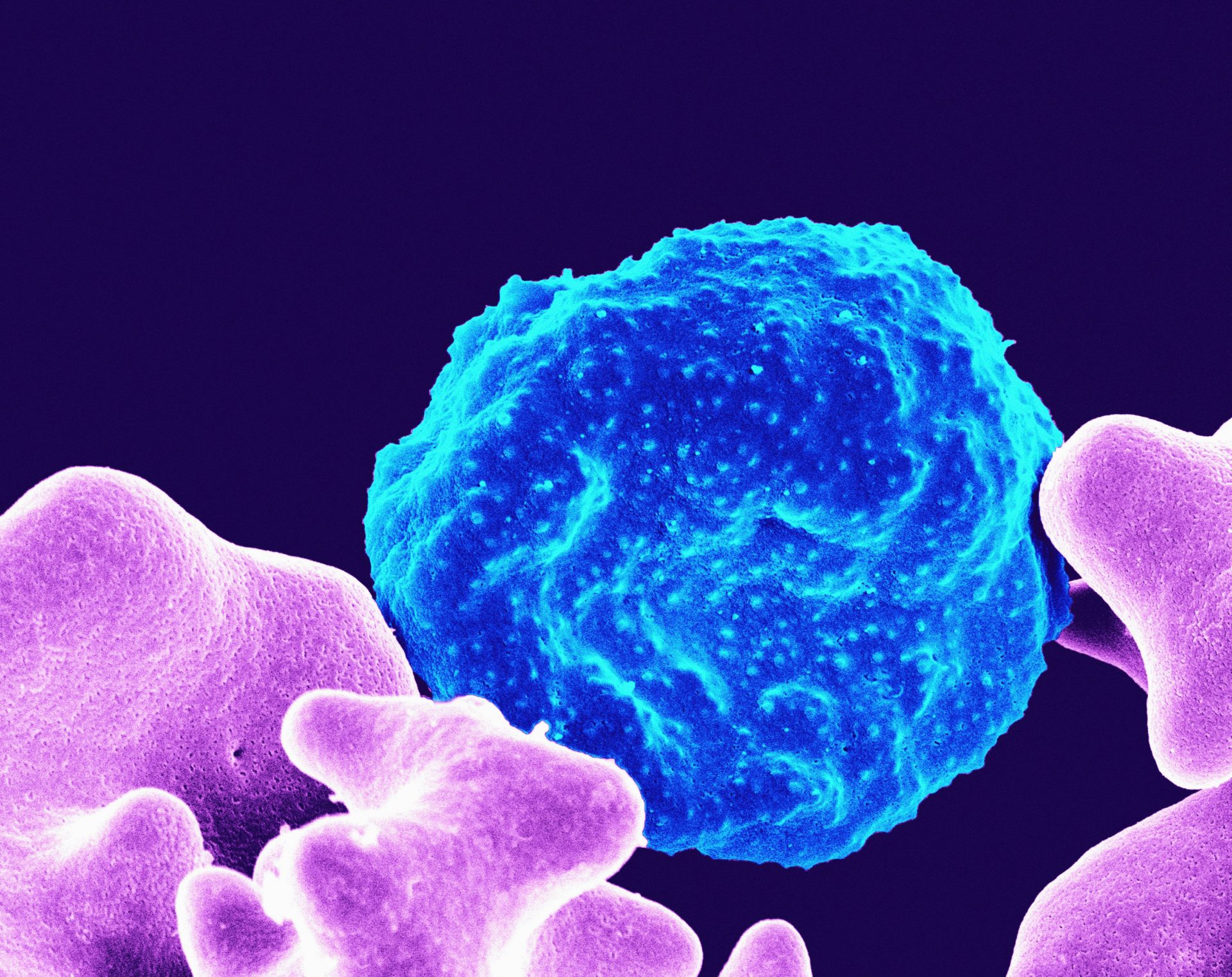
According to a study published in the journal « Science », The transmission of malaria could decrease in Africa in the coming years due to climate change.
The study conducted by three researchers from the University of Leeds, in England, will also help improve the fight against malaria. With climate change and the resulting set of difficulties, including the lack of water, The mosquito responsible for the malaria epidemic will find fewer habitats in Africa. To reach this conclusion, the study authors mapped the precipitation zones on the continent much more precisely than before. The other advantage lies in the method. The latter allows them to more precisely define the current contamination zones in order to combat the epidemic more effectively.
More targeted and precise actions against malaria
«With these data, you can not only identify where the water will end up in the landscape, but also the properties of these stretches of water,» explains Mark Smith, associate professor at the University of Leeds and lead author of the study. «Are these rivers flowing, or are they large stagnant pools fed by groundwater? Is it a river, which after overflowing into a plain leaves several isolated streams when the water returns?" With this kind of information, you will be able to better target your intervention strategy against malaria and adapt it to these ecological conditions.», ", he continues.
More targeted and precise actions, an important step forward, as the fight against malaria lacks financial resources. Malaria, the deadliest tropical parasitic disease in the world transmitted by mosquitoes, causes the death of one million people and affects one billion in 109 countries in Africa, Asia and Latin America.
Good news for getting closer to the Sustainable Development Goals
Reducing its impact will significantly strengthen the efforts made to achieve the Millennium Development Goals, agreed upon by all United Nations member states.. Changes in climatic conditions, such as temperature, rainfall regime and humidity, have a significant effect on the lifespan of the mosquito, on the development of malaria parasites within the mosquito and, subsequently, on the transmission of the disease. Global temperatures have increased significantly over the last hundred years, with a warming trend that has accelerated since the mid-1950s. This increase will change the geographical distribution.

 French
  English
  Chinese
  Arabic