
The Nigerian underground, a new world chessboard
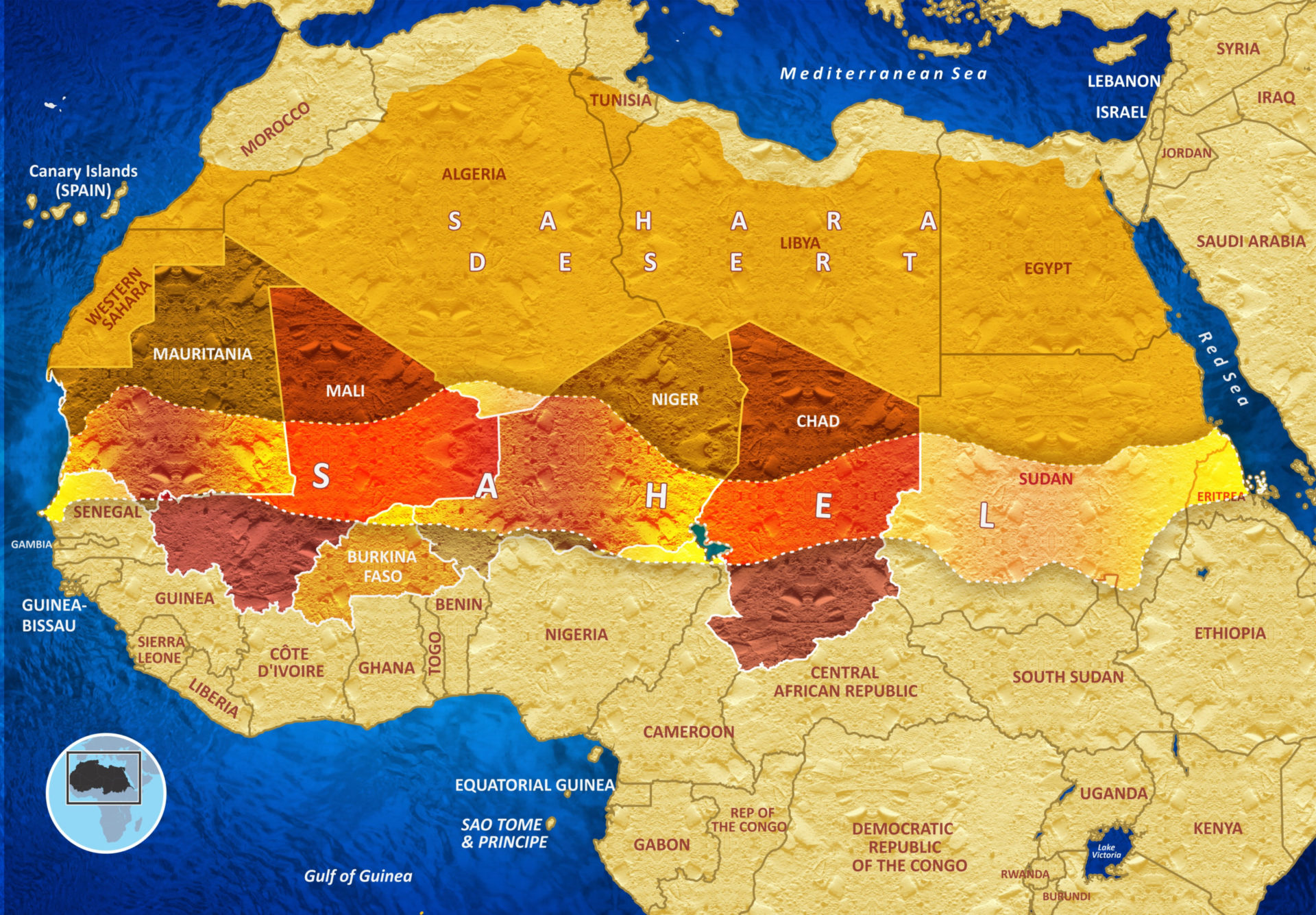
Long analyzed through the sole security prism of the fight against jihadism, the region has become in 2026 a field of economic confrontation where American, Russian, Chinese, Turkish, and European interests converge around a strategic resource among all of them: the Nigerian uranium. In Niger, Americans, Canadians, Russians, and Chinese engage in a merciless competition for control of the same underground resources; a rivalry that is summed up in a formula as simple as enlightening: in the Sahel of 2026, geopolitics is on display, but it is geology that ultimately decides. On September 20, 2026, the Canadian company Global Atomic thus announced that it had obtained the green light from the American Development Finance Corporation for a potential funding of 414 million dollars for the Dasa uranium mine project, between Agadez and Arlit.
The void left by Paris and the rush of newcomers
This funding reveals the true intensity of international competition: Washington seeks to secure direct access to Saharan uranium precisely at a time when French influence in the region has almost evaporated. Between 2022 and 2025, the French military and diplomatic apparatus collapsed in Mali, Niger, and Burkina Faso, leaving only a residual presence in Djibouti. This decline has opened the region wide to all international competitors. Russia has prioritized direct security presence, supported by paramilitary groups, in exchange for privileged access to the resources of the military juntas in power. China, by contrast, is advancing more discreetly by relying on investments and political stability, integrating the Sahel into its New Silk Roads in order to secure corridors to West Africa; an approach based on a partnership presented as a win-win situation that could, according to several analytical centers, make Beijing the real winner of this medium-term war of influence.
The Alliance of the States of the Sahel, a new political framework
This economic reorganisation is accompanied by a major institutional transformation. Mali, Burkina Faso and Niger, which have been united since September 2023 within the Alliance of Sahel States, have broken with the Economic Community of West African States and deepened their own integration: the introduction of a common passport, the creation of a 5,000-man regional security force, and the collective withdrawal from the International Criminal Court. In Guinea, a referendum held in September 2026 has also strengthened the position of General Mamady Doumbouya, who is expected to be elected head of state in a vote scheduled for late December, confirming the regional trend towards the consolidation of military regimes that are now established for the long term rather than transitional ones.
A region that is negotiating its own influence
For the external powers, this new regional architecture is not an obstacle but an opportunity that the Saharan juntas know how to exploit. The Sino-American rivalry, which in many respects recalls the logic of the Cold War, offers these states an unprecedented negotiating capacity: Washington’s disdain for multilateralism, far from uniformly weakening the region, has also opened up opportunities for strengthening African autonomy: each external partner can be pitted against the others. Further north, Resolution 2797 adopted by the United Nations Security Council on October 31, 2025, recognizing the Moroccan autonomy plan as the basis for negotiations on the Sahara and extending the mandate of MINURSO until October 31, 2026, an impending deadline, illustrates how the entire Sahel-Saharan space is experiencing, at the same time, an accelerated diplomatic restructuring.
The forgotten challenge: cities, youth and infrastructure
Beyond the rivalries between great powers, the Sahel remains plagued by profound social transformations that the competition for minerals tends to obscure. Urbanization is rapid there, with cities like Bamako, Niamey, and Ouagadougou seeing their populations explode without the infrastructure to match. The race for uranium and critical minerals will not benefit any of the parties, external or local, if it is not accompanied by real investment in this demographic and urban transition, a challenge that neither Washington, nor Moscow, nor Beijing have yet truly taken on head-on.

 French
  English
  Chinese
  Arabic