
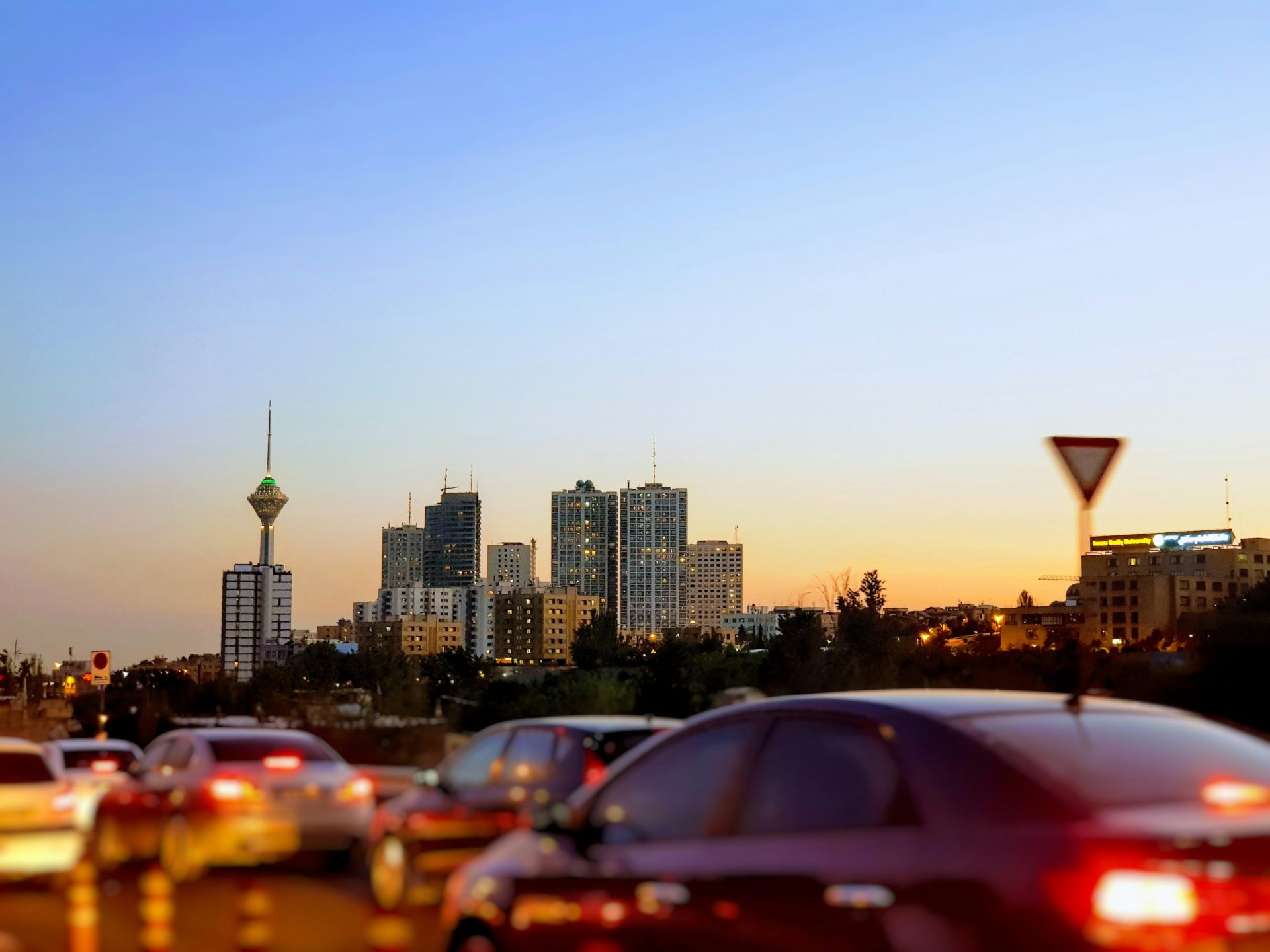
The fall of the Syrian regime is a severe blow to the Islamic Republic of Iran. Bashar al-Assad's flight will have major consequences for Iran's already moribund economy.
The fall of Bashar al-Assad, who fled Syria to take refuge in Russia on 8 December 2024, has triggered a wave of analysis concerning the collapse of the Shia strategic axis, led by the Islamic Republic of Iran (IRI) in the region. Seldom analysed and commented upon, the economic causes and consequences of this collapse nevertheless reveal a reality that explains, at least in part, the transformations in the region.
The massive investments made by Iran in Syria since the outbreak of the civil war in 2011 have been driven by «anti-Zionist, anti-Western» ideological ambitions, as well as a desire for regional dominance, rather than the pursuit of economic returns. According to various sources, these investments are estimated to be between 30 and 50 billion dollars.
Now under the control of a power hostile to Tehran, these investments cannot be recovered. However, this turn of events in Syria has the effect of drying up vital resources for an Iranian economy that is already weakened and in the midst of a structural crisis. According to the IMF and the World Bank, the Iranian economy contracted by 3.5 % in 2023, while inflation surged by 50 %. This economic recession stems from several factors: the mismanagement of public resources, stifling international sanctions, and an excessive reliance on weakened economic sectors, such as oil, the exports of which have been considerably reduced by US sanctions.
In practical terms, this could mean that the Islamic regime no longer has the means to secure its regional ambitions or meet the needs of its population. Added to this is the return to power of Donald Trump, whose first term was marked by a policy of «maximum pressure» on Tehran. And with the recent statements by the new occupant of the Oval Office promising a further tightening of sanctions, the Islamic Republic of Iran is very likely to find itself in a lasting economic deadlock. Thus, it is a safe bet that it will neither have the resources to continue funding its «axis of resistance» and its allies in the region, nor the capacity to respond to the demands of a massively disgruntled population, still mobilised by incessant protests against the high cost of living.
Heavy loss-making military investments
Since the beginning of the Syrian civil war in 2011, Tehran has heavily invested in military infrastructure and logistics in Syria, such as the Deir ez-Zor base in 2013, the Latakia logistics centre in 2015—including secure warehouses and underground tunnels—as well as the T-4 Tiyas air base near Palmyra in 2017, aimed at accommodating Russian and Iranian air defence systems.
Iran's investments in Syria were also aimed at securing a permanent presence in the region ensuring direct access to the Mediterranean. However, these investments are now under the control of various hostile factions, leading to colossal financial losses and a weakening of the Iran-Syria-Hezbollah corridor with the fall of the Assad regime. Comparable cases, such as the loss of US military bases in the Philippines after the end of the Cold War, highlight the vulnerability of strategic investments in unstable environments.
A decline in «soft power» and Shia places of worship
Iran has also invested heavily in cultural centres, universities, places of worship and, above all, Shia shrines such as those of Sayyida Zaynab and Sayyida Rouqayya, in order to strengthen its ideological soft power in Alawite Syria. Added to these colossal expenses is the Zaynab Suburb project, near Damascus, aimed at accommodating Shia families, as well as the Zaynab Palace hotel, inaugurated in 2016, comprising 150 rooms, prayer spaces and catering services.
The Khatam al-Anbiya Construction Headquarters organisation, belonging to the Islamic Revolutionary Guard Corps (IRGC), the Imam Khomeini Relief and Reconstruction Foundation, and the Jihad Foundation, financed and supervised these projects, while the Lebanese Hezbollah militia and the Afghan Fatemiyoun and Zeynabioun brigades protected them.
Zaynab and Ruqayya, granddaughters of the Prophet Muhammad and respectively the sister and daughter of Husayn ibn Ali, a central figure in Shia belief, symbolised Shia ideological influence and generated income from pilgrims. The new Syrian authorities, dominated by Sunni currents, will likely marginalise or abandon these symbols of Shia «soft power», much like the decline of the Catholic Church in Ireland in the 20th century following political upheavals such as Irish independence in 1922, the rise of republican nationalism and persistent tensions in Northern Ireland.
Abandoned structural projects and investments
Companies affiliated with the Iranian state apparatus have also invested heavily in energy and urban reconstruction in Syria. For instance, the Housing Foundation, affiliated with the Supreme Leader of Iran, has invested in the reconstruction of the city of Aleppo, which was largely destroyed by the bombing of the Syrian air force, backed by Russian forces during the civil war. The civil engineering company Khatam al-Anbiya Construction and the Iran Marine Industrial Company (also known as Sadra), both affiliated with the IRGC, have overseen the reconstruction of strategic roads and ports. Mention should also be made of the ill-fated gas corridor project linking Iran, Iraq and Syria, designed to connect Iranian energy resources to the Mediterranean, which was halted as early as 2022.
With the emergence of a new ruling elite in Syria, certain projects previously signed with Tehran could be reallocated to rival consortia, notably Turkish or Saudi ones, which are closer to the new authorities in Damascus. Consequently, Iran could suffer losses similar to the Soviet projects in Afghanistan in the 1980s, which led to heavy economic consequences for Moscow.
A commercial bypass now inoperative
Furthermore, Syria served not only as a market for Iranian goods, but also as a hub allowing international sanctions to be bypassed. For example, Syrian companies acted as intermediaries in the export of Iranian goods to Lebanon or indeed to certain regions of Eastern Europe.
With the fall of Bashar al-Assad, several ongoing trade agreements between Tehran and Damascus are highly likely to be compromised or profoundly reshaped, to the detriment of Iranian companies. For Iran, the losses would not be limited to direct exports. The loss of Syria as a marketplace further compromises Iran's trading capacity, making exports more difficult and costly, thereby exacerbating its dependence on traditional partners such as China. Here again, a parallel can be drawn with the end of trade agreements between the Soviet Union and the GDR after the fall of the Berlin Wall. This situation illustrates the fragility of trade systems dependent on unstable political contexts.

 French
  English
  Chinese
  Arabic