
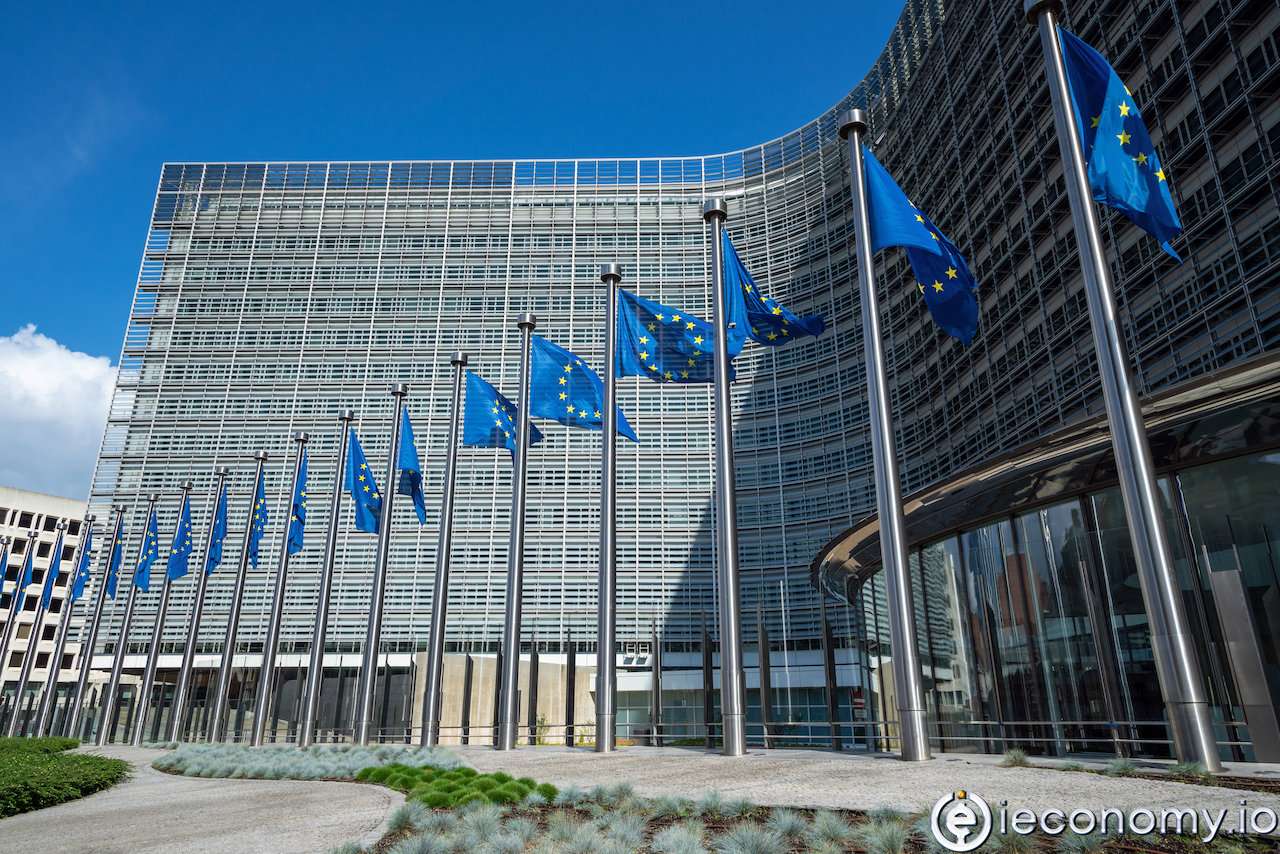
Under the radar, the EU ambassador to Niger was recalled to Brussels for consultations, it was learned last Saturday. The European Union denounces a «calling into question» of the management methods for the humanitarian aid it provided to the country following floods, while Niamey was displeased at not having been informed of the granting of a €1.3 million aid package to NGOs.
New tension between the Nigerien military regime and Brussels. The European Union announced last Saturday, 23 November, that it had recalled its ambassador to Niger for consultations.
The Brussels Commission justifies the recall of its representative on the grounds of their « deep disagreement following what it denounces as a »calling into question« of the management arrangements for the humanitarian aid it provided to the victims of the severe floods that hit the country, a spokesperson for the European diplomatic service indicated to Geopoliticss.fr
The Nigerien transitional authorities, for their part, condemned in a press release last Friday the EU's granting of 1.3 million euros in humanitarian aid to NGOs without prior notification.
Niger is asking for an audit of the management of funds allocated to NGOs
« The EU Ambassador to Niger has, unilaterally », redistributed this aid to NGOs,« in disregard of the principles of transparency and good cooperation with the competent Nigerien authorities », do we learn in this press release, which also adds that a « audit » on the management of the funds in question has been requested. To be clear: from whom, where, when and for what purpose?
For its part, the European Commission describes itself as « wanting to continue supporting the population », according to their spokesperson. « Humanitarian aid is essential, it is provided in a neutral, impartial and independent manner, and is implemented by United Nations agencies and international organisations and NGOs. Nothing should justify the instrumentalisation of humanitarian aid for political purposes. » So why oppose this sovereign request for clarification, regardless of the quality of the current regime and whether or not it suits the West?
The military regime in Niger certainly maintains a complicated relationship with Europeans, particularly with France, its former colonial power, that is a fact.
Diplomatic relations between Paris and Niamey have been practically severed since the generals came to power in a coup d'état in July 2023 which resulted in the overthrow of President Mohamed Bazoum.
Even so, the European Union is far from being a model of transparency regarding the management of its humanitarian funds, as has already been pointed out geopolitics.fr and to be proofread here:

 French
  English
  Chinese
  Arabic