
A Reassessed American Commitment: The Hour of Strategic Choices
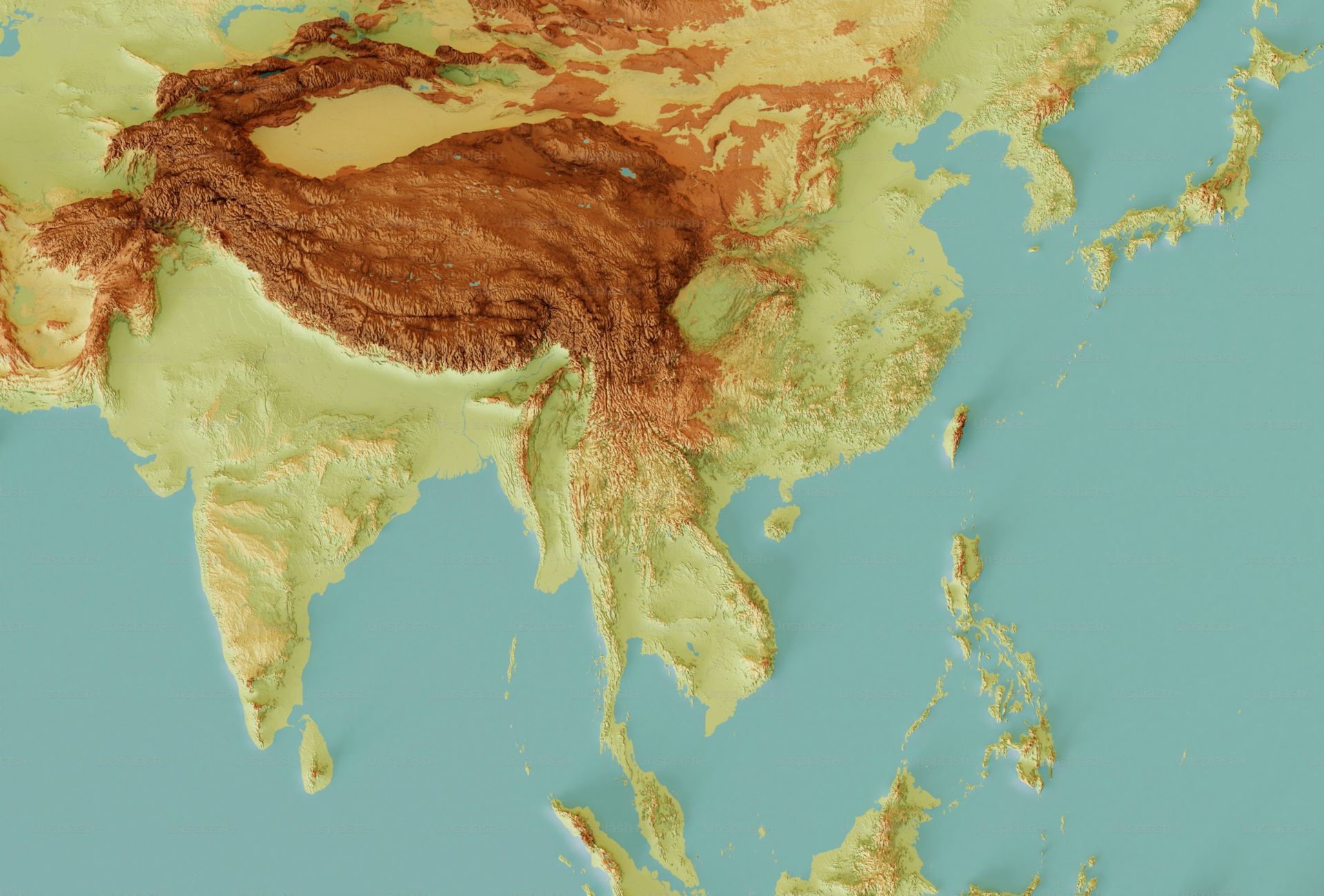
Donald Trump's return to the White House is reviving questions over the US commitment to Asia. A senior Taiwanese official, speaking on condition of anonymity, has expressed fears that Taiwan might be sacrificed in the name of the «America First» doctrine. This is a concern shared by many regional leaders as US policy becomes increasingly unpredictable and China's influence continues to expand. This dilemma raises crucial questions about the region's security and prosperity.
During his first term, Trump had opted for a transactional approach to alliances, demanding a greater financial contribution from his partners and adopting ambivalent positions, notably on Taiwan. His second term could amplify this trend, refocusing US foreign policy on its national interests and upsetting strategic balances in the Indo-Pacific. Mindful of these unpredictabilities, Asian allies are adapting: they are strengthening their defence capabilities, diversifying their partnerships and refining their diplomatic tools. Between cooperation and vigilance, their objective is clear: to preserve their stability and play an active role in managing regional issues.
Regional Actors' Strategies: Autonomy and Cooperation
Diplomacy and Relations with Washington
Faced with fluctuations in American politics, Asian actors are refining their strategies by combining diplomacy with the reinforcement of their assets. Japan and Taiwan illustrate this approach by tightening their ties with Washington through economic investment and increased security cooperation.
TSMC's commitment, with 40 billion dollars invested in Arizona and a further announcement of 100 billion for new infrastructure, illustrates Taiwan's pivotal role in US-China relations. Backed by its dominance over 90 % of the most advanced semiconductors, the island is using these investments as a geopolitical lever against Beijing.
Simultaneously, Japan, South Korea and Australia are increasing their purchases of US military equipment, ranging from precision missiles to air defence systems. This dynamic aims both to support the US defence industry and to prepare for a more uncertain regional environment.
Enhancement of Military Capabilities
Asian allies are no longer content to wait for directives from Washington: they are taking their strategic destiny into their own hands. Japan, long restricted by its pacifist Constitution, is making a historic shift by increasing its military budget to 2 % of GDP by 2027, putting an end to decades of restraint. This decision comes against a regional backdrop marked by China's rapid rise and growing doubts about the American commitment.
South Korea, for its part, is investing heavily in cutting-edge equipment, such as Tomahawk missiles, while Australia is relying on nuclear-powered submarines to strengthen its strategic presence. These initiatives reflect a shared desire to guard against a geopolitical environment perceived as increasingly unstable, particularly in the face of the growing threats from North Korea and China, which are seen as increasingly pressing.
This rise in power is accompanied by a significant change of tone. South Korean Foreign Minister Cho Tae-yul recently raised the possibility of his country developing nuclear capabilities in the event of a sudden deterioration in the geopolitical context. This unprecedented statement reflects a growing nervousness in the face of strategic uncertainties and fluctuations in American policy.
Behind these developments lies a shared ambition: to build a credible strategic independence. Asian capitals are investing heavily in cutting-edge technologies, from cybersecurity to artificial intelligence applied to military intelligence. These advancements aim to reduce their dependence on the United States while strengthening their deterrent capability, particularly in the face of perceived threats from China.
Diversification of Alliances
To avoid finding themselves trapped in a new Cold War, Asian nations are multiplying their strategic partnerships. Multilateral initiatives such as the Quad (Quadrilateral Security Dialogue bringing together the United States, Japan, India and Australia) and the CPTPP (Comprehensive and Progressive Agreement for Trans-Pacific Partnership) are gaining in importance, fostering increased cooperation in security and economic matters, while reducing their dependence on a single partner.
At the same time, they are strengthening their ties with European powers, notably France and the United Kingdom, whose naval presence in the Indo-Pacific is intensifying. Military co-operation, defence agreements and joint exercises are multiplying, asserting their desire to preserve their autonomy in the face of pressure from Beijing and Washington. These broadened alliances illustrate a strategy of balance in a rapidly changing regional order.
China: Essential Partner, Strategic Challenge
An essential neighbour and colossal market, China represents both a strategic opportunity and a major challenge for Asian nations. With over 2,700 billion dollars in trade in 2023, Beijing is driving regional growth while strengthening its political and military influence, raising the question of strategic independence.
The challenge for Asian countries is to take advantage of this relationship without becoming dependent on it. A balanced approach is essential, combining economic openness, diversification of partnerships and the development of military capabilities.
Bolstered by its diversity and dynamism, Asia seeks to preserve its autonomy while playing a central role in the evolution of the regional order.
Towards a New Strategic Balance: Asia Faces Possible Scenarios
The future of the Indo-Pacific depends closely on the evolution of relations between Washington and Beijing, paving the way for several possible trajectories:
- A fragile détente A US-China agreement could stabilise the region, but at the cost of increased Chinese influence. Asian actors would then have to manoeuvre to maintain a precarious balance between the two powers.
- A new cold war The intensification of tensions, particularly around Taiwan and the South China Sea, would force the countries in the region to take sides, with the risk of military escalation. Faced with this scenario, they would strengthen their alliances and defence capabilities.
- Controlled chaos A weakening of regional institutions, such as ASEAN, would lead to a fragmentation of the regional order, with each nation focusing on defending its own interests. This dynamic would risk exacerbating local rivalries and limiting collective responses to emerging crises.
In this uncertain context, Asian nations are striving to increase their strategic self-sufficiency by diversifying their alliances and investing in advanced technologies. Their ability to navigate between cooperation and rivalry will determine the future regional balance, in a world where competition between major powers is constantly redefining the balance of power.
Adaptation and outlook
The Indo-Pacific is undergoing a strategic realignment marked by the rise in power of China and doubts surrounding the American commitment.
Faced with these challenges, nations in the region are adopting an approach based on three main pillars:
- National capacity building: Asian countries are investing heavily in modern defence systems, advanced technologies (such as artificial intelligence and cybersecurity) and critical infrastructure to reduce their dependence on major powers. This military and technological rise aims to preserve their sovereignty and stability.
- Diversification of partnerships: Establishing a balanced and flexible network of alliances, combining regional and international actors, is a priority. Initiatives such as the Quad (United States, Japan, India, Australia) and the CPTPP (Comprehensive and Progressive Agreement for Trans-Pacific Partnership) illustrate this desire to create multilateral partnerships to counter Chinese influence while strengthening economic and security cooperation.
- Promotion of dialogue and cooperation: An inclusive approach, involving China, the United States and other powers, is being considered to manage tensions and foster stability. Regional forums, such as ASEAN, play a key role in this dynamic, although their effectiveness is sometimes limited by divergences among their members.
In a rapidly changing world, Asian countries are seeking to reconcile cooperation and strategic autonomy in order to guarantee their stability and prosperity within a transforming regional order.

 French
  English
  Chinese
  Arabic