
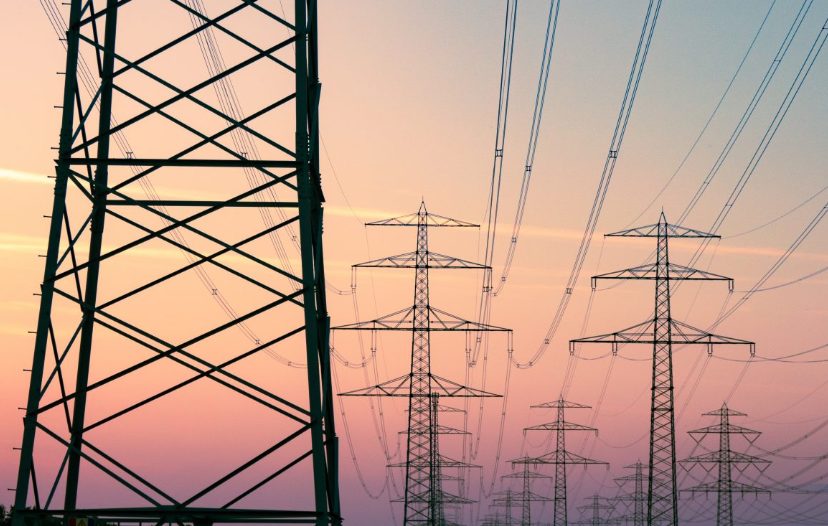
Tunisia and Algeria have signed a historic agreement for the development of their electricity interconnection, with an extension planned to Libya. This project strengthens their energy cooperation while opening up new perspectives towards regional integration in the energy sector.
In a global context where energy transition is at the heart of priorities, the two North African countries are thus strengthening their collaboration through this strategic agreement. Their primary objective is to connect their respective electricity networks in order to better distribute energy between the two countries. Algeria is endowed with significant energy resources. Tunisia, on the other hand, is geographically positioned and considered a strategic crossroads on the Mediterranean. Thus, the two countries, through this agreement, commit to maximizing and mutualizing the use of their production infrastructures.
But after that, this pact is not limited to meeting the current energy needs of the two countries. Indeed, this agreement is also part of a common and long-term policy of developing renewable energy. Thus, by facilitating the exchange of green electricity, this agreement allows the two countries to contribute to global efforts to combat climate change, thereby enhancing their image before the international community, but above all by strengthening their energy security and independence.
Two countries with ambitions for economic and strategic impact for the region
Strategically, the interests of this agreement extend far beyond the borders of the two countries. Economically, it aims to better manage energy resources, limiting losses and thus optimizing production costs. Tunisia, for example, will be able to import Algerian energy at competitive prices during periods of high demand, while exporting its surplus at other times.
From a geopolitical perspective, this partnership consolidates the bilateral relations between the two neighbors and opens the way to an expanded regional positioning. Thus, a regional interconnection could turn the area into a key energy hub connecting Europe and Africa. This agreement is also an opportunity to attract foreign investments, both in currency and in technological terms, essential for the economies of both countries.
A development towards Libya, a lever for regional stability
The regional dimension envisaged in the long term of this project, with a possible extension to Libya, also marks a strong diplomatic strategy in the Eastern Mediterranean. Indeed, for the Libyan government, this partnership is an opportunity to rebuild its energy networks, which have been severely affected by years of conflict. Such interconnection can, moreover, not only stabilize the region by strengthening its energy security, but also free it from any dependence, especially Western dependence but not only.
This triumvirate could also herald other joint initiatives in the energy sector or other essential sectors such as water or even cable networks. For now, by pooling their geostrategies on this side of the Mediterranean, Algeria, Tunisia and Libya could not only meet their domestic needs, but also become indispensable players in the global energy market.

 French
  English
  Chinese
  Arabic