
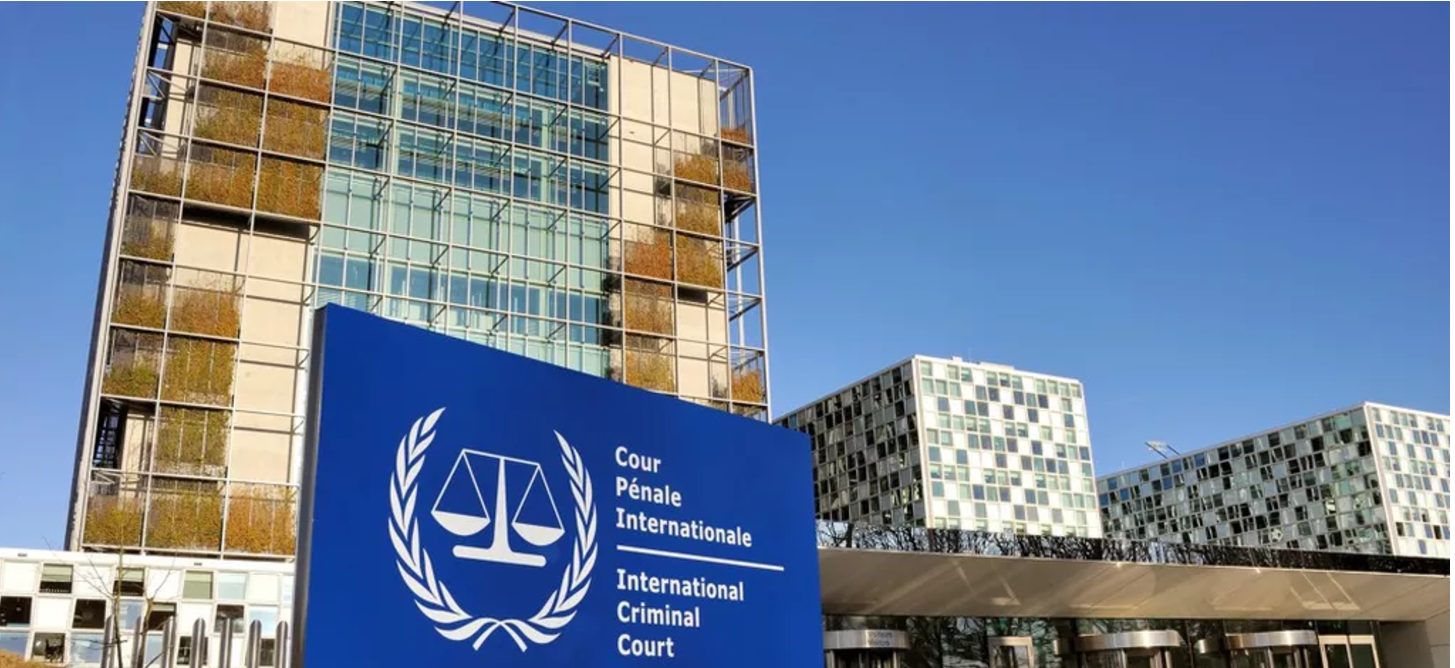
The International Criminal Court (ICC) issued arrest warrants on November 21 against Israeli Prime Minister Benjamin Netanyahu and former Defense Minister Yoav Gallant for war crimes committed in the Palestinian territories, including Gaza. The ICC also issued an arrest warrant against Mohammed Diab Ibrahim Al-Masri, known as Deif, a senior Hamas leader. What consequences?
The arrest warrant, as defined in the Rome Statute
This is a judicial document issued by the International Criminal Court (ICC) to order the arrest of a person suspected of crimes within its jurisdiction.
Here are some key points to understand regarding the arrest warrant under the Rome Statute:
The arrest warrant is provided for in Article 58 of the Rome Statute. This article sets out the conditions under which a warrant can be issued by the Court. A warrant can be issued when there are reasonable grounds to believe that a person has committed a crime falling within the jurisdiction of the ICC, namely genocide, crimes against humanity, war crimes, and the crime of aggression. The warrant must clearly indicate the identity of the person sought, the crimes for which he or she is accused, and a summary of the alleged facts. It must also include information about the evidence that justifies the issuance of the warrant.
The arrest warrant aims to ensure the accused’s appearance before the Court, to prevent interference with the investigation or judicial proceedings, and to prevent the suspect from committing new crimes.
States parties to the Rome Statute are required to cooperate fully with the ICC in the execution of arrest warrants. This includes the arrest and surrender of suspects to the Court.
The arrest warrant is an essential tool for the ICC, enabling it to effectively prosecute individuals accused of the most serious crimes affecting the international community.
A well-defined procedure
More specifically, after the investigation has been opened, the preliminary chamber may, at the request of the Prosecutor, issue an arrest warrant at any time against persons suspected of having committed a crime falling within the jurisdiction of the Court. An arrest warrant or summons may only be issued against a suspect or accused person, and not against a witness or expert. The legal basis for this procedure is very clear in Article 58 of the Rome Statute.
In order to ensure the appearance of the suspect or accused before the Court, the Prosecutor must ensure the presence of the accused before the Court to answer the charges against him. The Prosecutor must also ensure that the accused participates in the judicial process in an appropriate manner and in accordance with the rules; he must also prevent interference in the investigation or judicial proceedings; he must also prevent the suspect from committing new crimes. For example, the first warrant issued by the Pre-Trial Chamber was the one issued against Thomas Lubanga Dyilo (Situation of the Democratic Republic of the Congo), Prosecutor v. Thomas Lubanga Dyilo, Case No. ICC-01/04-01/06, Arrest Warrant, 10 February 2006.
This mandate is binding on the States parties. They have an obligation to cooperate with the ICC. It is important to note that the arrest warrant has an international scope, applying to all States parties under the Rome Statute. It obliges the Member States to cooperate in the arrest and surrender of the suspect to the Court.
The arrest warrant follows a well-documented investigation
In other words, the issuance of a warrant requires reasonable grounds to believe that a crime falling within the jurisdiction of the Court has been committed.
These motives must be supported by sufficient evidence presented by the Prosecutor. It is at this precise moment that the judicial process begins: the judges of the ICC examine the evidence and arguments presented by the Prosecutor before issuing an arrest warrant. They also assess whether the legal criteria and necessary conditions are met to justify issuing the warrant.
The States parties have a legal obligation to cooperate fully with the ICC, including by executing the arrest warrants issued by the Court. This cooperation includes practical actions such as the arrest of suspects and their handover to the ICC authorities, as in the case of the arrest of Jean-Pierre Bemba by Belgium in 2008. The handover of suspects can also be carried out through international cooperation mechanisms, as in the case of the extradition of Bosco Ntaganda by Rwanda to the ICC in 2013.
Guarantees of a fair trial and respect for the rights of the defense
The ICC ensures guarantees of a fair trial, including the right to a public trial, adequate defense, and the presumption of innocence, in accordance with the principles of international law. The rights of the defense, such as the right to an attorney and to cross-examination of witnesses, are scrupulously respected to ensure the fairness of the trial.
Implications for States parties that refuse to cooperate
The refusal of States parties to cooperate with the ICC can lead to consequences such as diplomatic sanctions or international pressure, due to the obligation of States to fulfill their commitments under the Rome Statute and international law. These actions can also compromise the credibility and effectiveness of the Court in combating impunity for the most serious crimes affecting the international community.
Sanctions and possible measures against non-cooperative states
Non-cooperative states with the ICC can be subjected to measures such as diplomatic restrictions, economic sanctions, or repercussions on their international reputation, aimed at encouraging them to comply with their cooperation obligations towards the Court and to promote the effectiveness of international justice.
The States Parties to the Rome Statute
124 countries are States Parties to the Rome Statute of the International Criminal Court. Among them, 33 are members of the group of States from Africa, 19 are States from Asia and the Pacific, 19 are States from Eastern Europe, 28 are States from Latin America and the Caribbean, and 25 are members of the Group of Western European and Other States.
Including the deed…

 French
 English
 Chinese
 Arabic