
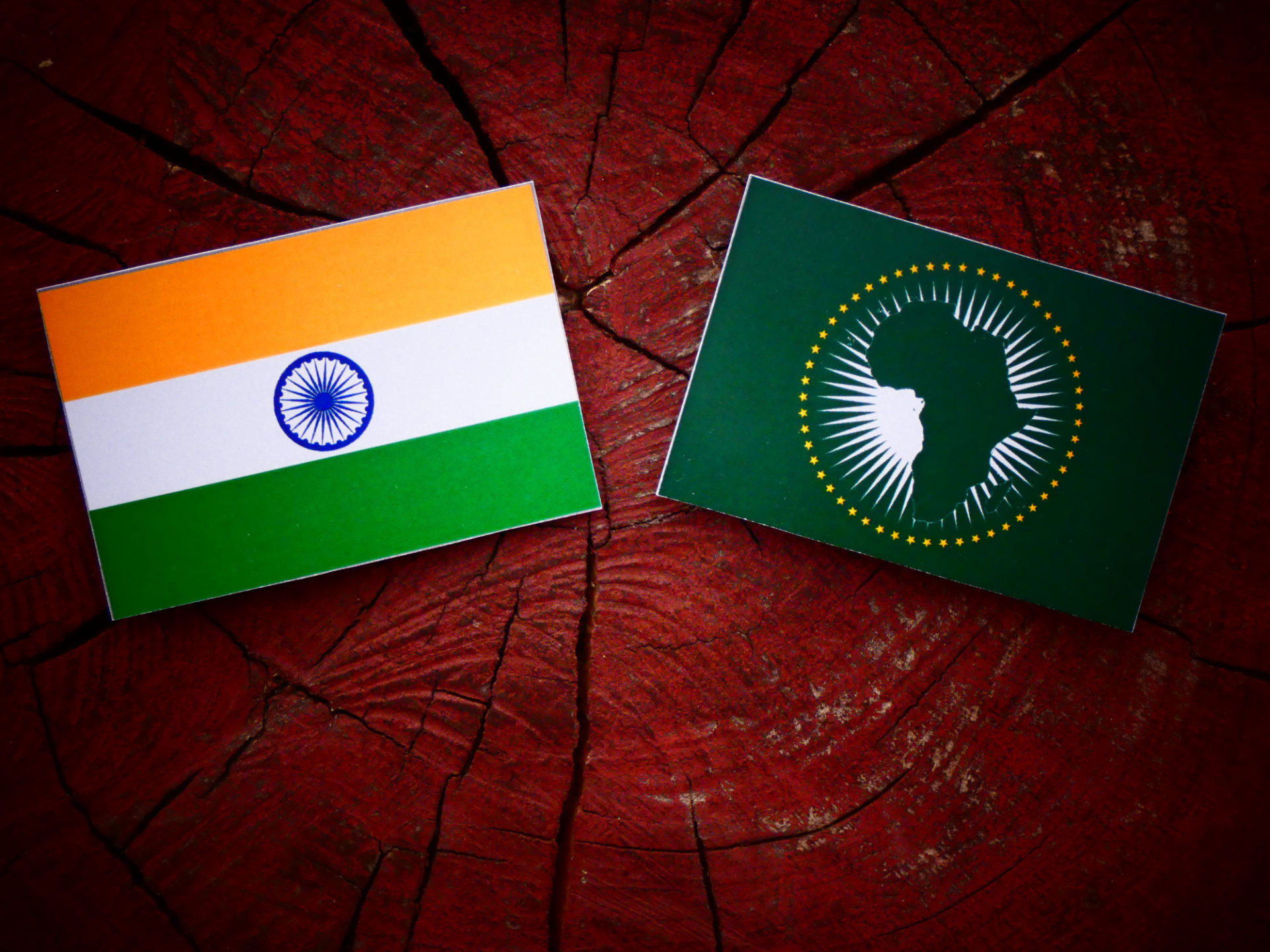
In a press release, the Indian Ministry of External Affairs stated that « given the health situation on the continent », India and the African Union had jointly decided to postpone the meeting to a later date.
The DRC, health epicentre and regional geopolitical fragility
This new Ebola outbreak is a reminder of just how much the DRC remains one of the world's primary global health vulnerability hotspots.
For several decades, the country has been concentrating a particularly complex combination: persistent armed conflicts; massive population displacements; weak health infrastructure; logistical isolation; illegal exploitation of natural resources.
This structural instability considerably complicates prevention and rapid response capabilities in the face of health crises. In Central Africa, every resurgence of Ebola now produces effects that go far beyond the medical framework:
- slowdown in trade ;
- disruption to flight paths ;
- diplomatic prudence ;
- impact on investments ;
- weakening of regional supply chains.
The epidemic is thus becoming a geopolitical factor in its own right.
India is accelerating its African breakthrough
Yet, the postponement of the summit comes at a strategic time in relations between India and Africa. For the past fifteen years or so, India has been methodically strengthening its presence on the continent:
- infrastructure investment ;
- pharmaceutical cooperation ;
- digital technologies ;
- agriculture ;
- energy ;
- defence ;
- formation.
Faced with China's growing influence in Africa, New Delhi is seeking to consolidate an alternative based on an approach perceived as less politically intrusive.
Africa represents for India a strategic market; a source of energy supply; a major diplomatic partner in multilateral forums; a lever in the reconfiguration of the Global South.
The summit was precisely intended to deepen this momentum regarding trade, infrastructure, technology, health, and industrial chains.
Global health and diplomacy: the return of systemic risks
This report also illustrates a profound transformation in international relations since the recent global health crises. Following the COVID-19 pandemic, health risks have become major diplomatic and economic variables.
Major powers are now integrating health capacities, epidemiological surveillance, health system resilience, and biosecurity,
in their geopolitical strategies.
For Africa, this means that local health crises can now have immediate consequences on foreign investment, international summits, trade flows and strategic partnerships.
Central Africa confronts its health sovereignty deficit
The episode also highlights the persistent limitations of healthcare systems in Central Africa.
Despite the accumulated experience in dealing with Ebola, several difficulties remain: chronic underfunding; external dependence; weak hospital capacities; inadequate laboratory facilities; logistical difficulties in rural or conflict-affected areas.
The region remains heavily dependent on international funding; NGOs; UN agencies; and bilateral partners.
However, in a global context marked by falling official development assistance and growing geopolitical tensions, this dependency is itself becoming a strategic vulnerability.
A signal for Africa’s emerging partners
The postponement of the India-Africa summit finally shows that African stability is becoming a global issue for emerging powers.
Long focused on raw materials and African markets, the powers of the Global South now understand that no sustainable economic strategy can be built without security stability; health resilience; robust infrastructure; effective regional governance.
For Central Africa, the challenge therefore goes beyond Ebola itself. It is a matter of knowing whether the region will be able to turn its chronic vulnerabilities into an opportunity for strategic reconstruction:
- regional health systems; ;
- African pharmaceutical industry ;
- scientific cooperation ;
- health sovereignty ;
- logistics integration.
Because in the new world order currently taking shape, health has become an instrument of power as much as a humanitarian imperative.

 French
  English
  Chinese
  Arabic